Every year, thousands of travelers seek out Europe not just for its history, art, or food-but for its adult services. While many assume prostitution is illegal everywhere in Europe, the truth is far more complicated. Some countries have fully legalized and regulated sex work, while others tolerate it under strict conditions. This isn’t about glamorizing exploitation. It’s about understanding what’s legal, what’s safe, and what actually happens on the ground in 2025.
Germany: The Most Open System in Europe
Germany is the largest market for sex work in Europe, with an estimated 400,000 people working in the industry. Since 2002, prostitution has been fully legal and regulated. Workers must register with local authorities, pay taxes, and are entitled to social security benefits. Brothels operate openly in cities like Berlin, Hamburg, and Frankfurt. Many workers are from Eastern Europe, Romania, and Bulgaria, but there are also German nationals and international freelancers.
The government requires health checks every three months and mandates condom use. Violations can lead to fines or license revocation. Unlike in other countries, clients don’t face legal risk. Many workers use online platforms like EscortList a German-based platform for adult services with verified profiles and user reviews to connect with clients. The industry is transparent, professional, and heavily monitored.
Netherlands: Amsterdam’s Red Light District Is Just the Start
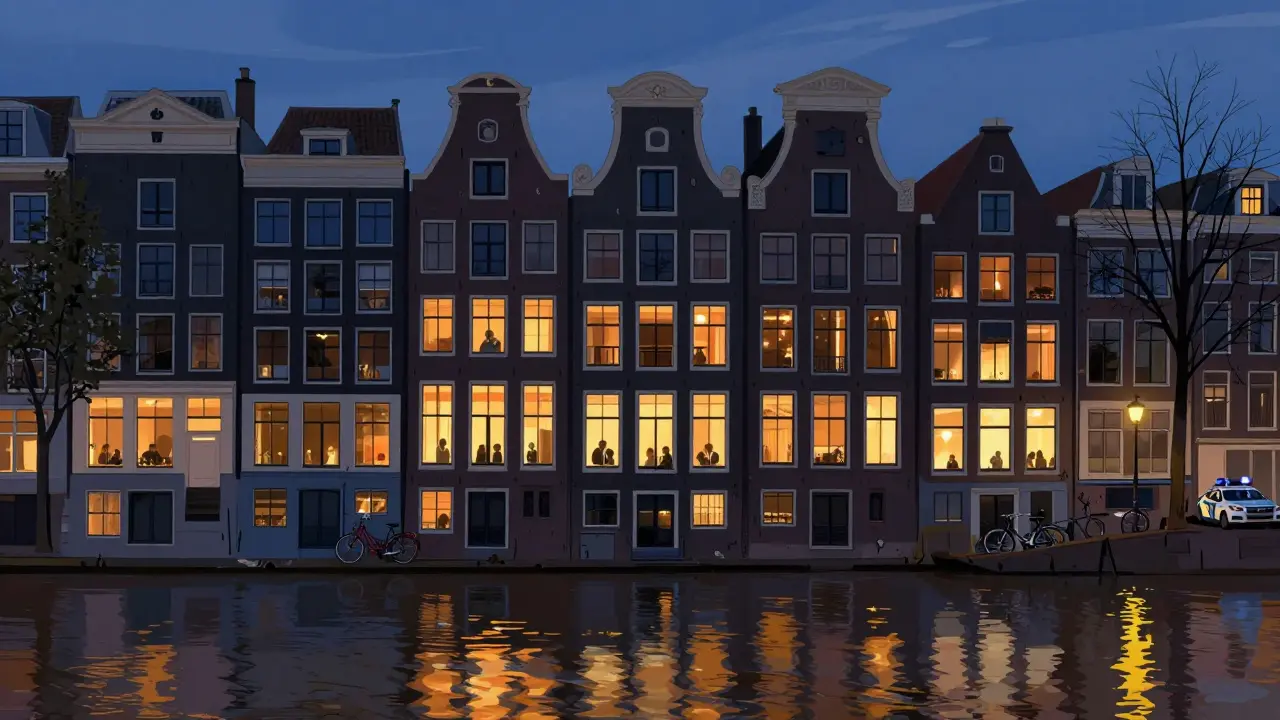
The Netherlands has long been known for its tolerant approach to sex work. Amsterdam’s De Wallen district is the most famous, but regulated brothels exist in Utrecht, Rotterdam, and The Hague too. Since 2000, sex work has been legal, and workers must be registered with the Chamber of Commerce. Brothels need licenses, and pimps are illegal.
What makes the Netherlands unique is the level of control. Workers can unionize, access healthcare, and report abuse without fear of arrest. Many clients come from the UK, Scandinavia, and the U.S. The Dutch government tracks revenue and health outcomes. In 2024, Amsterdam reported a 12% drop in street prostitution due to increased enforcement against unlicensed operators. Tourists are advised to avoid unregulated street workers-many are victims of trafficking.
Switzerland: Quiet, Legal, and Well-Regulated
Switzerland doesn’t have a national law on prostitution-it’s up to each canton. In Zurich, Geneva, and Basel, sex work is legal and regulated. Workers must register, pay taxes, and undergo regular health screenings. Brothels are common in these cities, and many operate like small businesses with reception desks and security.
Unlike Germany or the Netherlands, Switzerland doesn’t advertise its industry. There are no red light districts in the tourist sense. Most services are booked through private apartments or discreet agencies. The Swiss model focuses on harm reduction. In 2023, the Federal Office of Public Health reported a 95% condom compliance rate among registered workers. Tourists often find Swiss services more expensive but far safer and more private.
Spain: Legal But Not Regulated
Spain is one of the most confusing countries for sex tourism. Prostitution itself is not illegal-but organizing it is. That means individual sex workers can operate legally, but brothels, pimping, and advertising are banned. This creates a gray zone. Many workers operate out of apartments, offering services through WhatsApp or private websites.
Barcelona and Madrid are the main hubs. Tourists report high demand from British, German, and Italian visitors. The lack of regulation means health checks are rare, and safety varies wildly. In 2024, Spanish police raided 170 unlicensed operations in Barcelona alone. While some workers are independent professionals, others are trapped in exploitation networks. Tourists should be cautious-what looks like a legal service might not be.
Latvia and Hungary: The Budget-Friendly Options
Eastern Europe has become a destination for budget-conscious travelers. Latvia and Hungary both have legal prostitution, but with minimal oversight. In Riga and Budapest, you’ll find street workers and small apartments offering services at a fraction of Western prices. A session can cost as little as €40-€60.
But this low cost comes with high risk. There are no mandatory health checks, no worker protections, and little police oversight. Human trafficking remains a serious problem in both countries. In 2024, the EU Anti-Trafficking Coordinator reported that over 60% of sex workers in Latvia were foreign nationals, many from Moldova and Ukraine, brought under false promises of work.
Travelers should understand: low price often means high danger. What seems like a bargain can lead to legal trouble, health risks, or worse. The European Commission has repeatedly warned tourists against visiting these areas for sex tourism.
France, Italy, and Sweden: Where It’s Illegal to Buy
France, Italy, and Sweden take a different approach. Prostitution itself isn’t illegal for the worker-but paying for sex is. This is called the Nordic Model. The goal is to reduce demand, not punish workers.
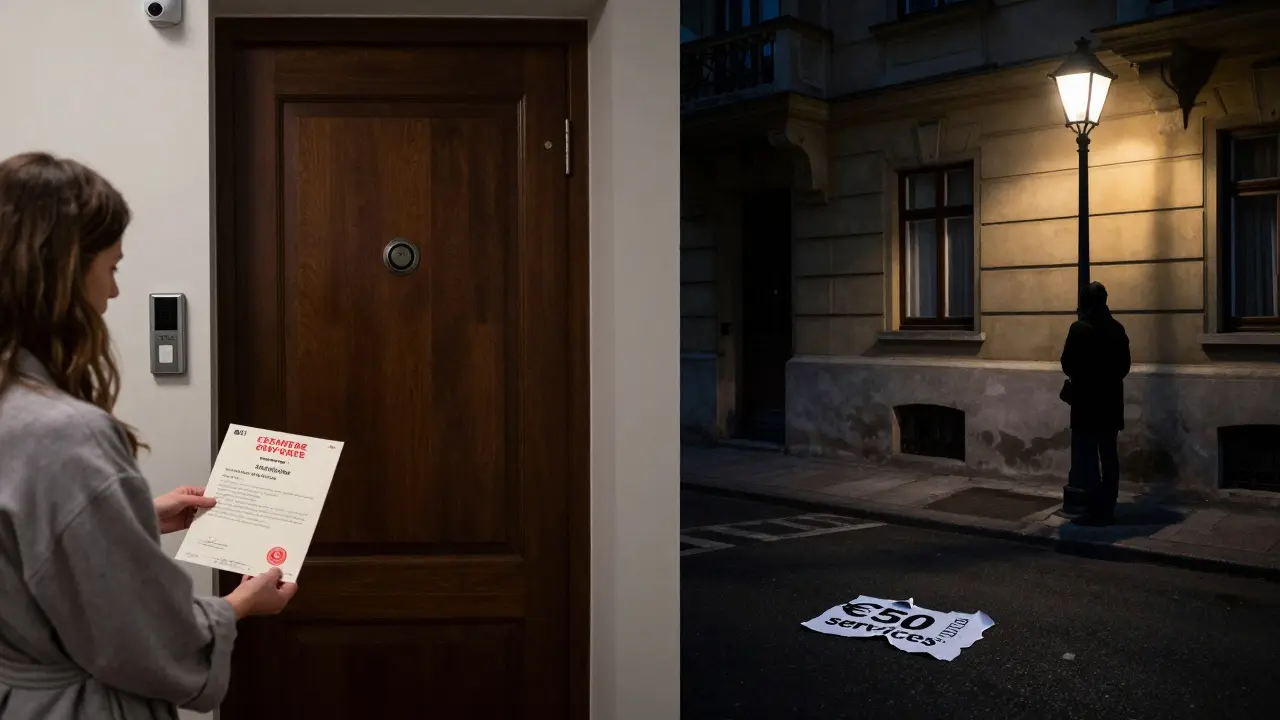
In France, clients can be fined up to €1,500. In Sweden, the penalty is the same. Police don’t arrest sex workers-they offer social services. Tourists often don’t realize they’re breaking the law. In 2023, French authorities issued over 3,200 fines to foreign visitors for soliciting. Many were unaware of the law.
These countries are not destinations for sex tourism. If you’re looking for services here, you’re risking fines, deportation, or criminal records. The reality is: you won’t find organized brothels or advertising. What exists is hidden, risky, and legally dangerous.
What You Should Know Before You Go
Sex tourism isn’t a vacation-it’s a legal, ethical, and health minefield. Here’s what actually matters:
- Legal doesn’t mean safe. Even in Germany, unregistered workers are vulnerable.
- Low prices often mean trafficking. If it seems too cheap, it probably is.
- Health risks are real. STI rates among unregulated workers are 3-5 times higher than in regulated systems.
- Online platforms are not always trustworthy. Fake profiles and scams are common.
- Travel insurance won’t cover legal trouble from soliciting in countries like France or Sweden.
There’s no such thing as "harmless" sex tourism. Even in the most regulated systems, exploitation exists. The difference is whether the system protects the worker-or hides the abuse.
Alternatives to Consider
If you’re traveling to Europe and seeking companionship, consider legal alternatives:
- Companion services-where the focus is on conversation, not sex-are legal and common in Switzerland and Germany.
- Dating apps like Bumble or Tinder offer real connections without legal risk.
- Many European cities have vibrant social scenes. Attend local events, join expat groups, or take language classes.
Travel is about experience, not exploitation. The best memories come from real human connections-not paid encounters.
Is prostitution legal in all of Europe?
No. Prostitution laws vary widely. It’s fully legal and regulated in Germany, the Netherlands, and parts of Switzerland. It’s legal for the worker but illegal to organize in Spain. It’s illegal to pay for sex in France, Sweden, and Norway. In Eastern Europe, it’s technically legal but unregulated and often linked to trafficking.
Can I get arrested for using a call girl in Europe?
Yes, if you’re in a country with the Nordic Model, like France, Sweden, or Norway. You can be fined or even detained. In countries like Spain, you won’t be arrested for paying, but you could be if you’re involved in a brothel or trafficking situation. Always know the local laws before you go.
Are online escort sites safe?
Many are not. Scams, fake profiles, and human trafficking rings operate on these platforms. Even in legal countries, unregistered workers are not protected. Always verify registration status through official channels if possible. Never pay in advance or share personal documents.
What are the health risks of sex tourism?
Unregulated services carry high risks of STIs, including HIV, syphilis, and gonorrhea. In countries without mandatory health checks, infection rates are significantly higher. Always use protection. Get tested before and after travel. Don’t assume a worker is healthy just because they say so.
Why is sex tourism controversial?
Because it often exploits vulnerable people. Many sex workers are migrants, refugees, or survivors of abuse. Even in legal systems, power imbalances exist. The industry profits from desperation. Critics argue that legalizing it doesn’t fix exploitation-it just makes it more visible. Ethical travelers should consider whether their actions contribute to harm.
Final Thoughts
Europe offers stunning landscapes, rich culture, and deep history. It doesn’t need to offer paid sex to be memorable. The countries with the most transparent systems-Germany, the Netherlands, Switzerland-are also the safest. But safety doesn’t mean morality. Every transaction carries consequences-for the worker, for the client, and for the society that allows it.
If you’re considering this kind of travel, ask yourself: Are you seeking connection-or convenience? The answer will tell you more about you than any destination ever could.